
I’ve faced so many challenges making sure antenna seals stay waterproof for years in tough environments. It’s frustrating when seals fail, causing costly damage.
For custom antenna bases rated IP67, O-ring seals must undergo strict durability tests to guarantee reliable waterproofing over time. These tests simulate real-life conditions like thermal cycles, ozone exposure, mechanical stress, and corrosion to ensure the seal won’t fail even after years outdoors.
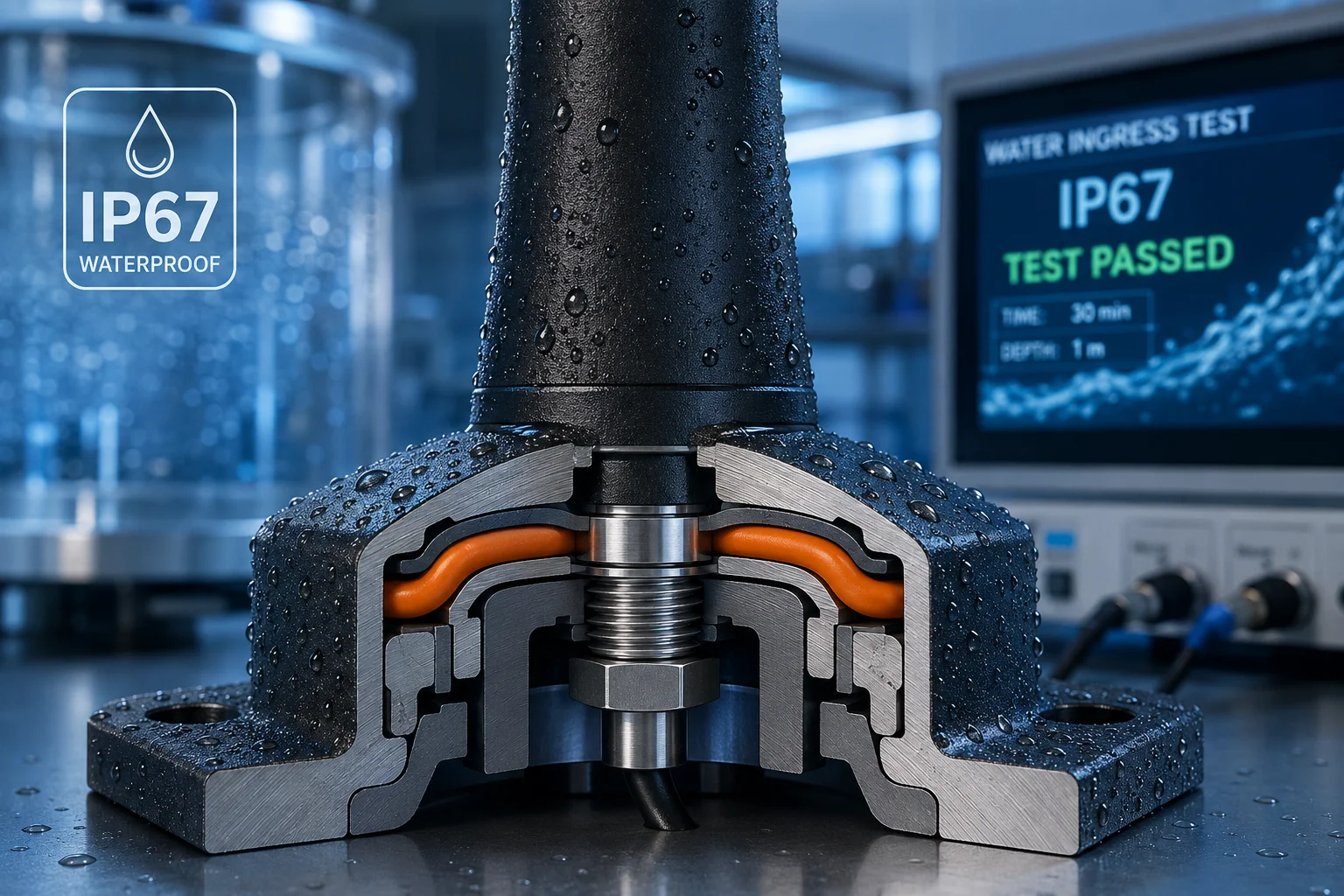
If you want to avoid expensive equipment failures from water damage, understanding these test methods is crucial. Let’s walk through the main durability checks that keep your antennas sealed tight.
Table of Contents
Will the antenna seal remain waterproof after years of thermal expansion and contraction?
Thermal expansion can wreck seals if they are not properly tested. I’ve dealt with equipment in Texas where huge temperature swings happen daily, so I know this issue well.
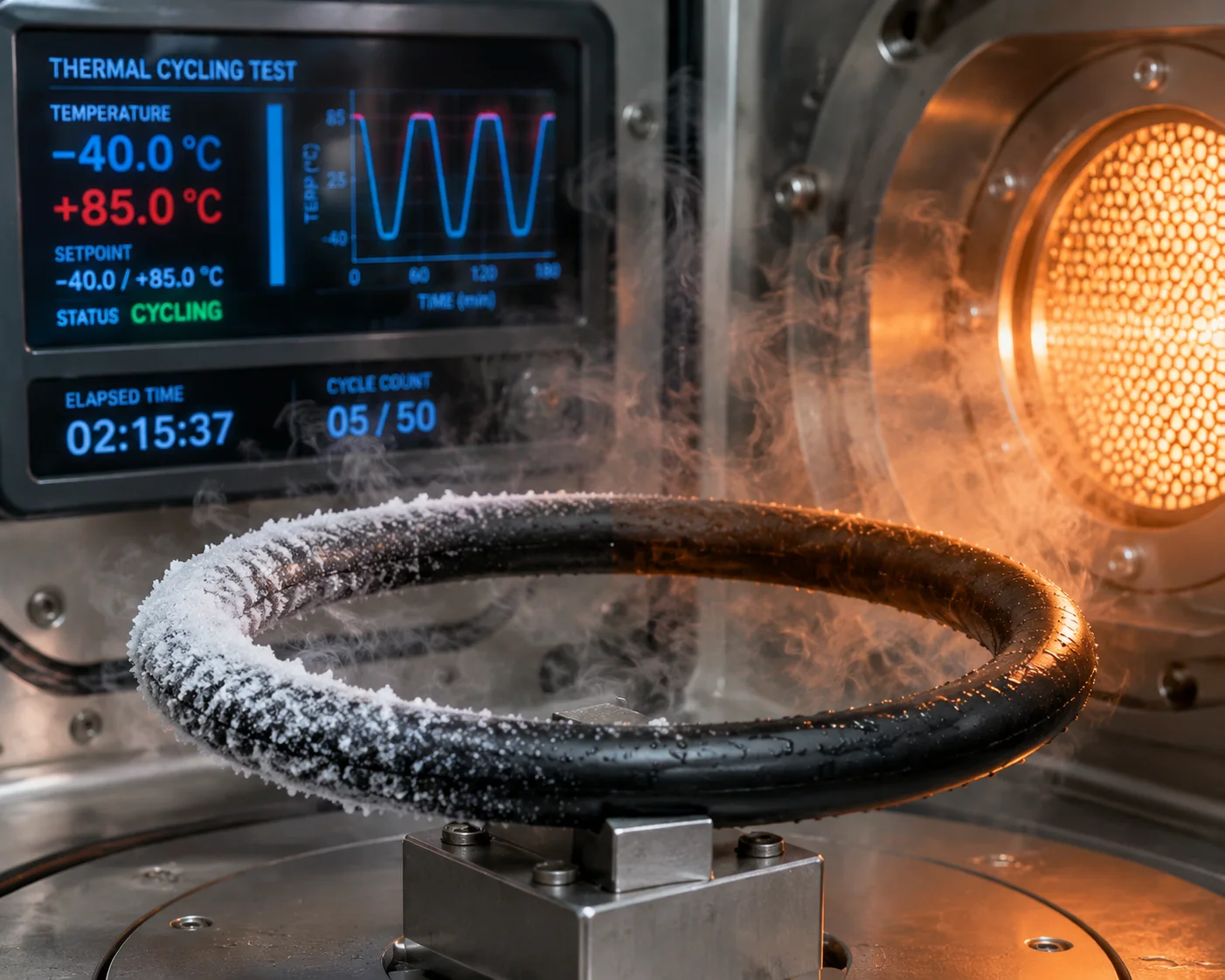
The antenna’s O-ring seal undergoes thermal cycling tests2 that expose it to repeated heating and cooling cycles from -40°C up to +85°C for thousands of hours. This helps confirm the seal can handle expansion and contraction without cracking, losing elasticity, or losing waterproof protection.
Understanding Thermal Cycling
Thermal expansion means materials get bigger or smaller when temperatures change. For outdoor antenna bases, this happens every day and every night. If the seal can’t handle it, gaps will form and water will leak in.
The test involves placing the O-ring and assembled antenna base in a machine that cycles temperature between extreme cold and heat. It runs for about 1000 hours, simulating years of real-life wear.
During cold cycles, some rubber seals risk becoming brittle and cracking. During heat cycles, chemical degradation may soften the seal, lowering its pressure on the antenna interface. We check if the O-ring keeps its shape and doesn’t develop cracks or lose elasticity after this.
Key Points of Thermal Cycling Test
| Test Factor | Description | Pass Criteria |
|---|---|---|
| Temperature Range | -40°C up to +85°C | Seal stable through entire range |
| Cycle Duration | 1 hour per cycle, 1000 cycles | No cracks or shape deformation |
| Post-Test Waterproofing | Submerge antenna base 1 meter under water | No water ingress after cycling |
This test mimics the real conditions David Miller needs in Texas: the harsh winter freezes and hot summers with intense sun. Passing this test means the antenna seal can maintain IP671 waterproofing for many years despite thermal stresses.
How do you test the O-ring’s resistance to ozone and industrial pollutants?
I’ve learned the hard way that outdoor pollution and ozone can quickly damage rubber seals. Many cheaper seals get brittle or crack in months.
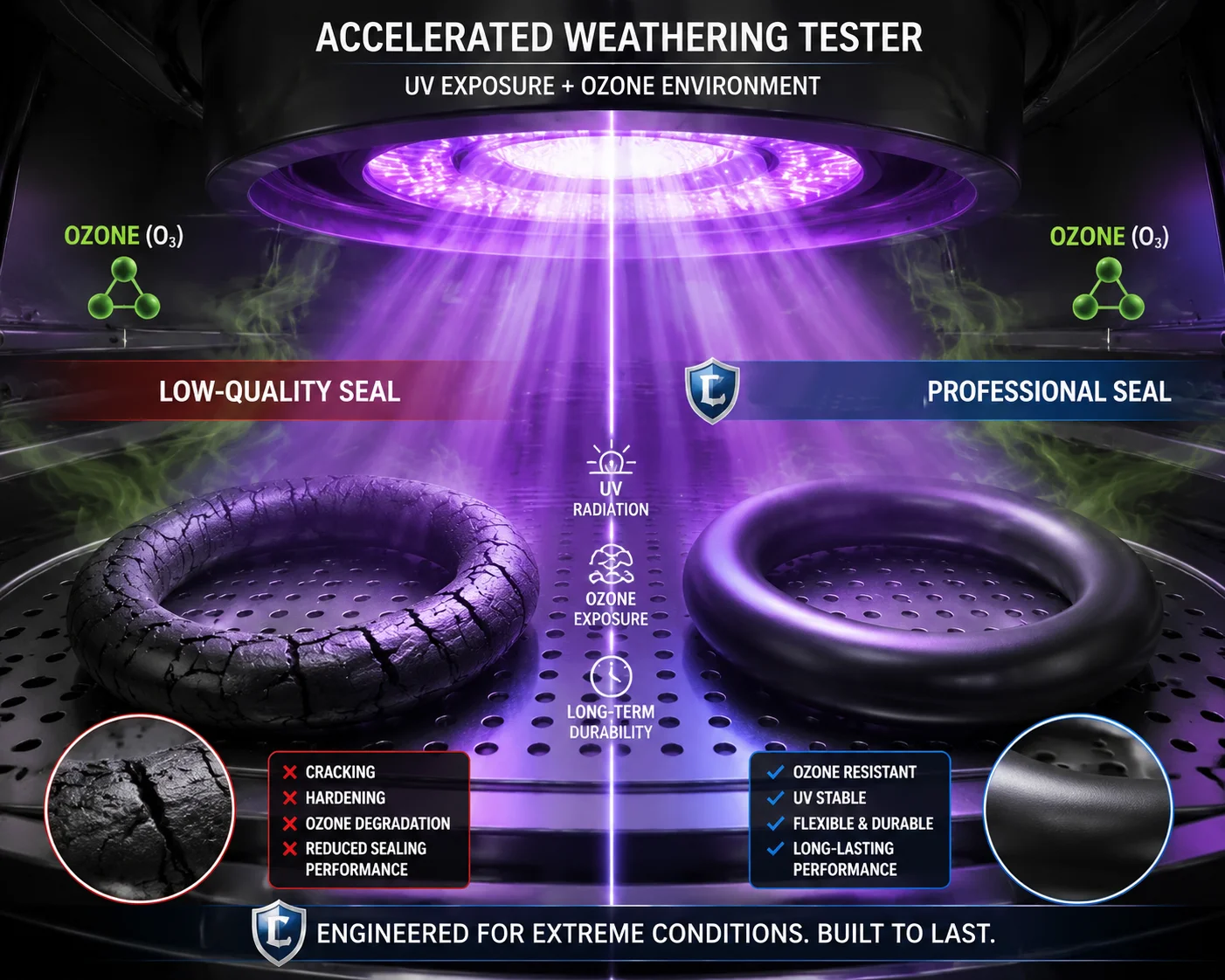
The O-ring undergoes UV and ozone exposure tests that simulate multi-year sunlight and polluted air conditions. This confirms the seal material, usually Silicone (VMQ) or EPDM, maintains physical integrity without cracking or degradation from ozone and UV rays.
Diving Into UV and Ozone Resistance
Sunlight contains UV radiation that breaks down rubber polymers over time. At the same time, ozone and industrial pollutants attack the surface chemically.
The test uses a xenon light source3 to simulate several years of outdoor UV exposure in a few days. It also injects ozone gas4 in a controlled environment to see how the O-ring responds.
Materials like Silicone and EPDM are chosen because of their strong resistance to UV damage and ozone cracking, unlike NBR 5which degrades faster.
Why This Matters
Outdoor antennas stay in the sun for years. If the O-ring becomes brittle, it can crack, letting water in and ruining the equipment.
| O-ring Material | UV Resistance | Ozone Resistance | Typical Service Life Outdoor |
|---|---|---|---|
| Silicone (VMQ)6 | High – resists cracking | High – minimal degradation | 5-8 years |
| EPDM7 | Good | Very good | 5+ years |
| NBR | Poor | Moderate | 1-2 years |
This test helps me recommend the best seal compound for long-term outdoor resilience, especially where ozone pollution or sun exposure is severe.
Can the seal survive if the antenna is accidentally hit or tilted during installation?
Antennas get knocked or moved during installation sometimes. I used to worry this would permanently damage the seal.
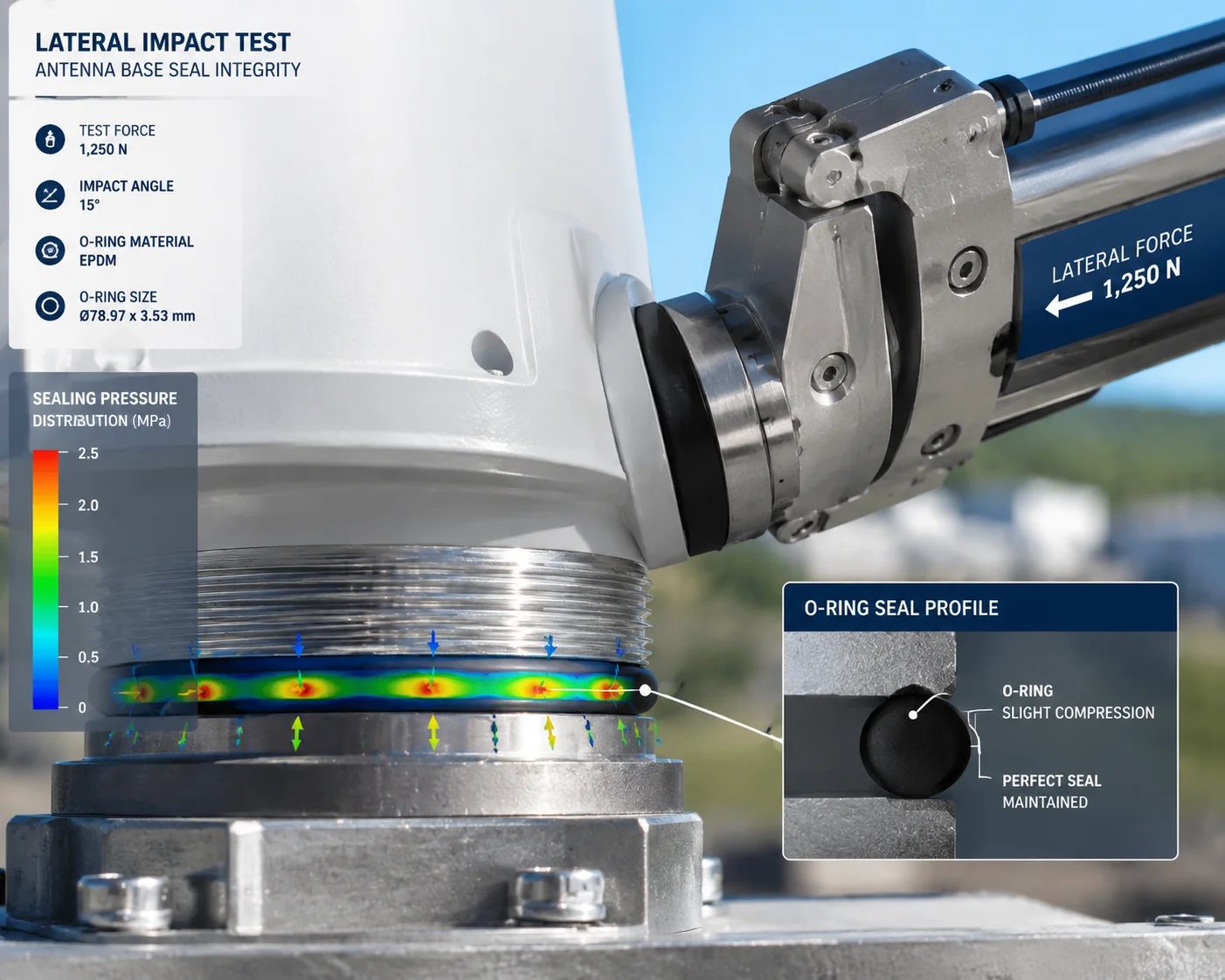
Impact and tilt resistance tests simulate mechanical shocks and misalignment during installation to ensure the O-ring maintains its shape and sealing force despite deformation. The thread and seal design must absorb such forces without compromising waterproofing.
Mechanical Durability of the O-ring Seal
When someone accidentally hits or tilts an antenna base during mounting, the O-ring and thread face mechanical stress. If the seal flattens or gets pinched, leaks will develop.
Tests include:
- Applying lateral force to simulate tilting the antenna few degrees off-center
- Dropping or striking the antenna base with controlled force
- Measuring O-ring recovery and checking for leaks after stress
The seal’s compression set8 value is important here. It measures how much the O-ring stays elastic after compression with mechanical shock.
Structural Design Considerations
Besides material choice, the thread9 and O-ring groove 10must have some over-compression margin.This means even if the O-ring gets partially deformed, there is “extra” compression to maintain waterproof pressure.
| Test Type | Method | Acceptance Criteria |
|---|---|---|
| Impact test11 | Drop or strike test | No permanent deformation or cracks |
| Tilt test | Apply tilt moment | O-ring maintains compression seal |
| Compression set | Measure shape after stress | At least 90% shape recovery |
This confirms that installers like David can work on-site without worrying about ruining the antenna seal during normal handling.
Is the thread on the antenna base treated to prevent galvanic corrosion with the housing?
I have seen many antenna installations fail because of thread corrosion where the metal parts meet. That eats away at the seal’s tightness fast.
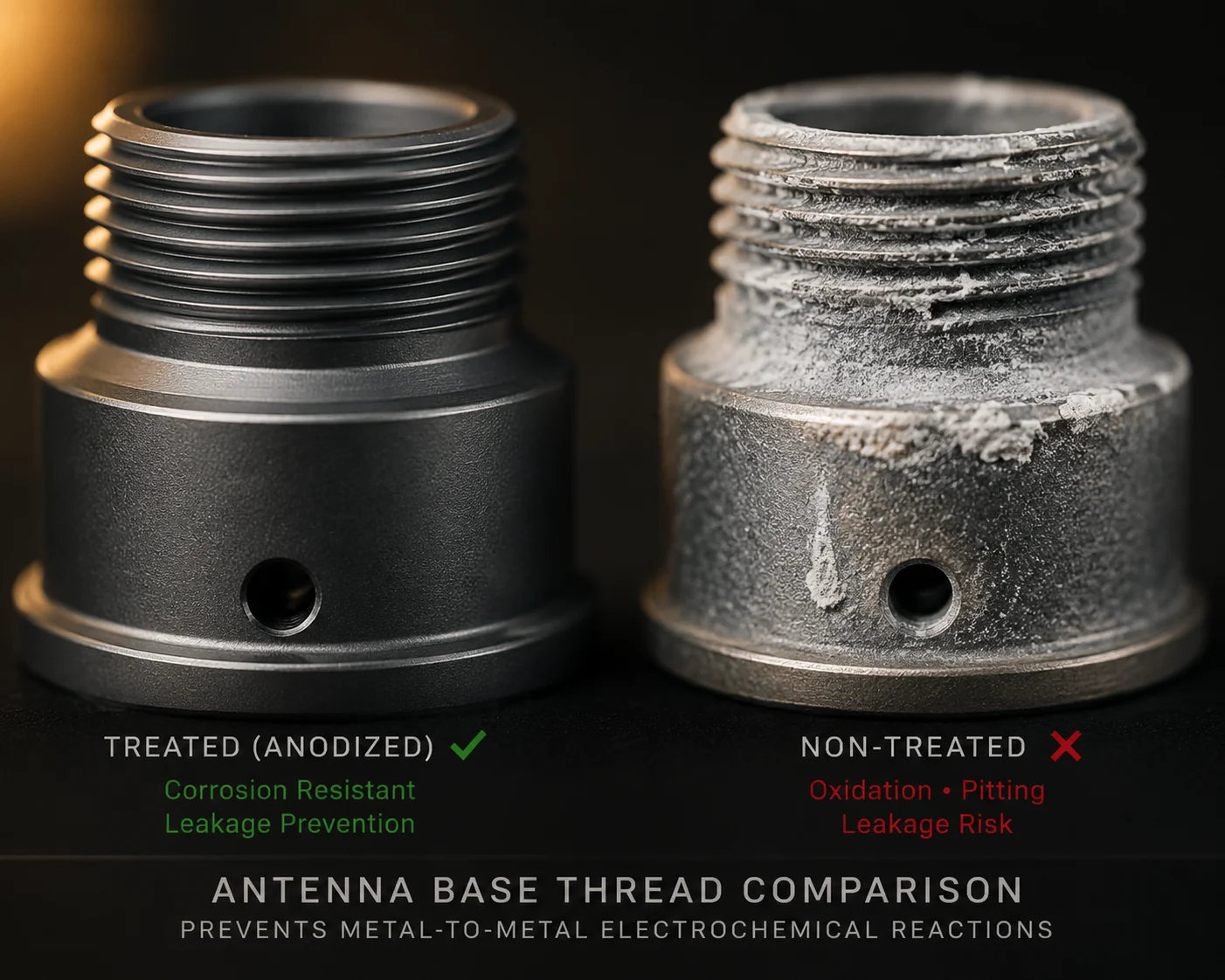
The thread on antenna bases undergoes anti-galvanic corrosion treatment such as anodizing or coating, paired with compatible materials to prevent electrochemical reactions that degrade the threads and cause leaks.
Understanding Galvanic Corrosion
Galvanic corrosion12 happens when two different metals touch in presence of moisture, causing one metal to corrode faster.
For antenna bases, this often occurs where the threaded mating surfaces sit. If corrosion happens, the metal changes shape and the O-ring seal no longer fits tightly.
Protective Treatments
Common methods include:
- Anodizing13 aluminum bases to create a hard non-conductive oxide layer
- Applying corrosion resistant coatings
- Selecting metals with similar electrode potential for thread and housing
Table of Common Thread Materials and Treatments
| Material | Treatment | Purpose |
|---|---|---|
| Aluminum | Anodizing or Hardcoat Anodize | Prevents corrosion, insulates |
| Stainless Steel | Passivation | Strengthens oxide layer |
| Brass | Nickel Plating | Corrosion and wear resistance |
Proper treatment extends the thread life and preserves the seal integrity throughout the product lifespan, important to avoid premature seal failure and costly repairs.
Conclusion
Thorough durability testing of O-ring seals ensures your custom antenna bases stay truly waterproof and reliable under harsh real-world conditions.
1. IP67 defines the level of protection against dust and water ingress for enclosures. ↩︎ 2. This temperature range is common in IPC and MIL-STD test specifications for harsh environments. ↩︎ 3. Xenon arc lamps are used in accelerated weathering tests to simulate full-spectrum sunlight including UV and visible light. ↩︎ 4. ASTM D1149 describes the standard test method for rubber deterioration in an ozone-controlled environment. ↩︎ 5. Nitrile rubber (NBR) has poor UV and ozone resistance, making it unsuitable for long-term outdoor antenna seals. ↩︎ 6. VMQ silicone rubber is known for excellent UV and ozone resistance, commonly used in outdoor seals. ↩︎ 7. EPDM rubber offers outstanding weather resistance and is widely used for outdoor sealing applications. ↩︎ 8. ASTM D395 defines test methods for compression set of rubber, a key measure of seal recovery after stress. ↩︎ 9. Thread design and finish affect seal loading and corrosion resistance; proper thread standards help ensure long-term seal integrity. ↩︎ 10. Proper O-ring groove dimensions are critical for achieving the correct compression and sealing performance. ↩︎ 11. ASTM D5276 provides a standard test method for drop testing loaded containers, analogous to impact on antenna bases. ↩︎ 12. Galvanic corrosion occurs when dissimilar metals contact in an electrolyte, leading to accelerated metal loss. ↩︎ 13. Anodizing is an electrolytic passivation process that increases the thickness of the natural oxide layer on aluminum, enhancing corrosion resistance. ↩︎